
Epoxy Repair and Recoat · Farmington Hills

Epoxy Repair and Recoat in Farmington Hills, MI

We grind out the failed coating, read what the slab needs, and rebuild your floor the right way.

1 day installs · typical timeline
Free Quote

Free Epoxy Repair and Recoat quote.

We reply within 1 business hour. No spam, ever.

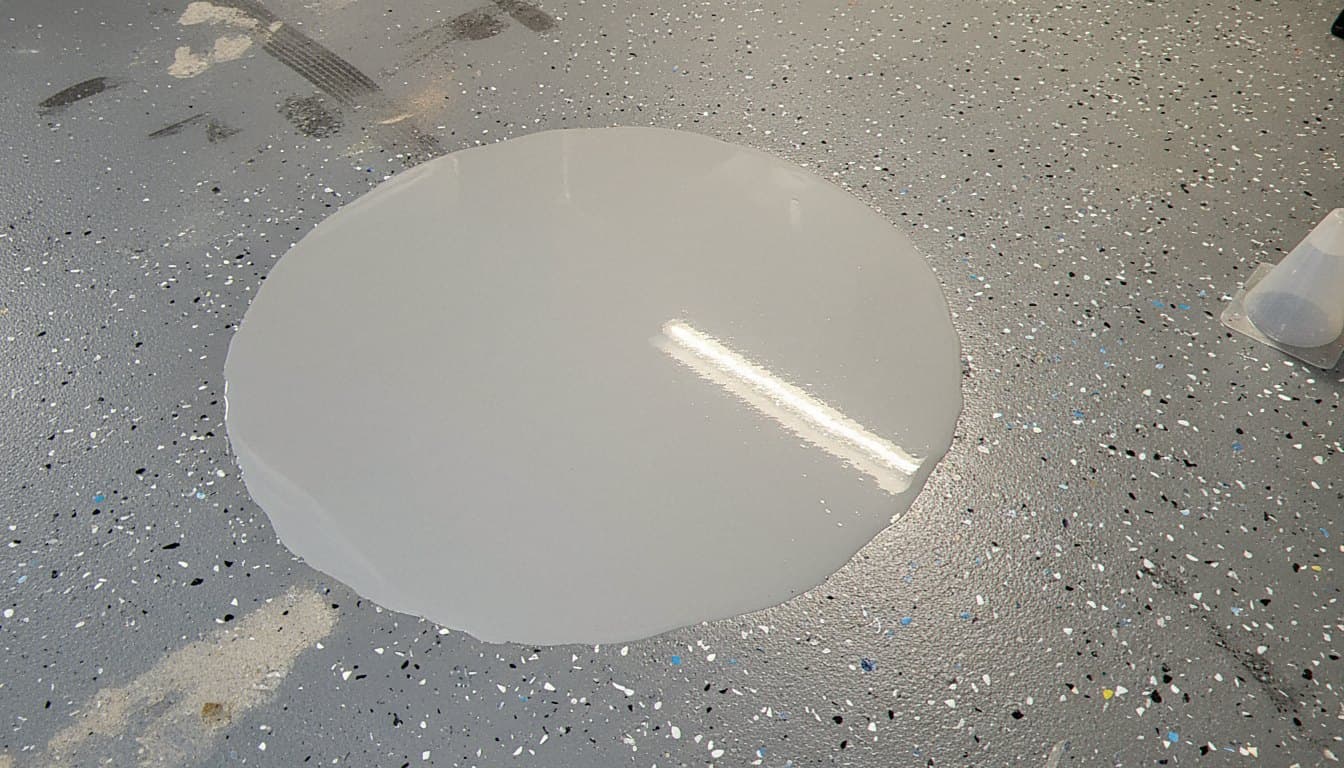
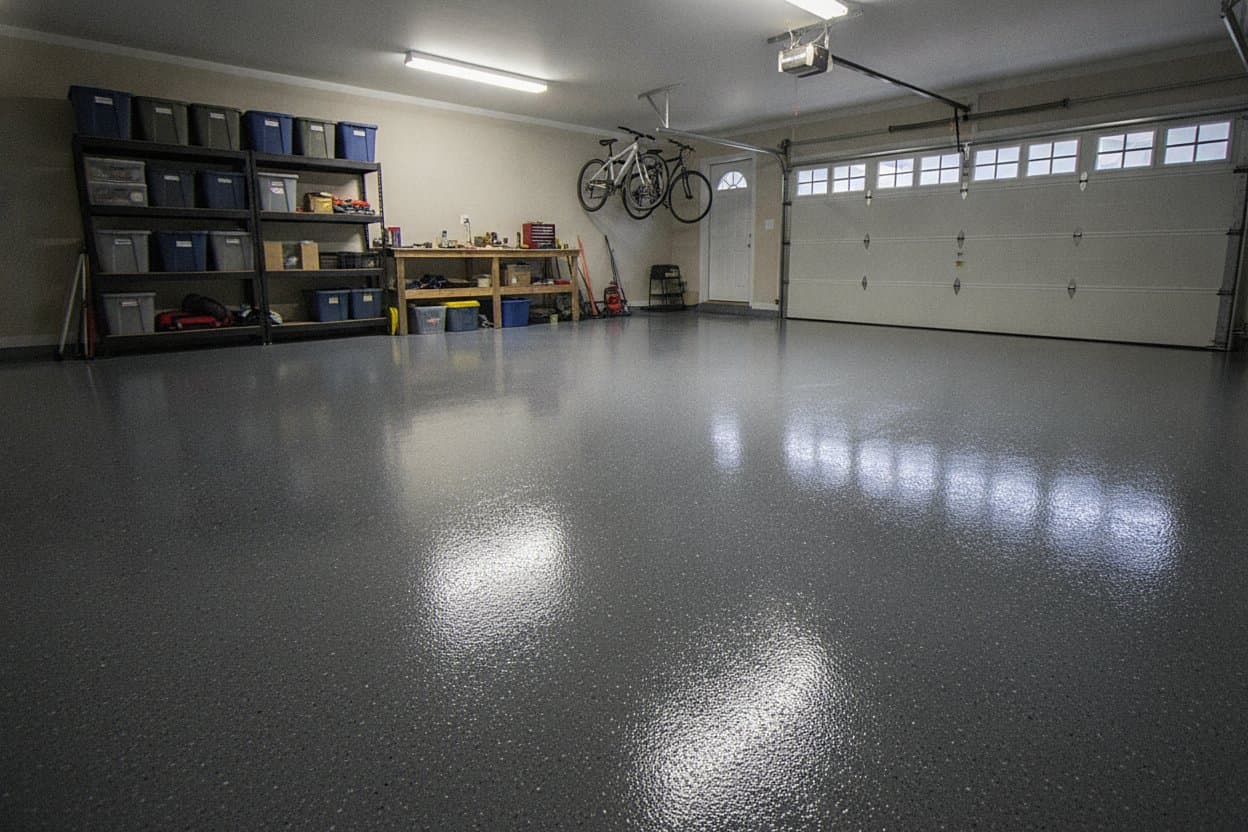
Garage floor restored with flake epoxy.
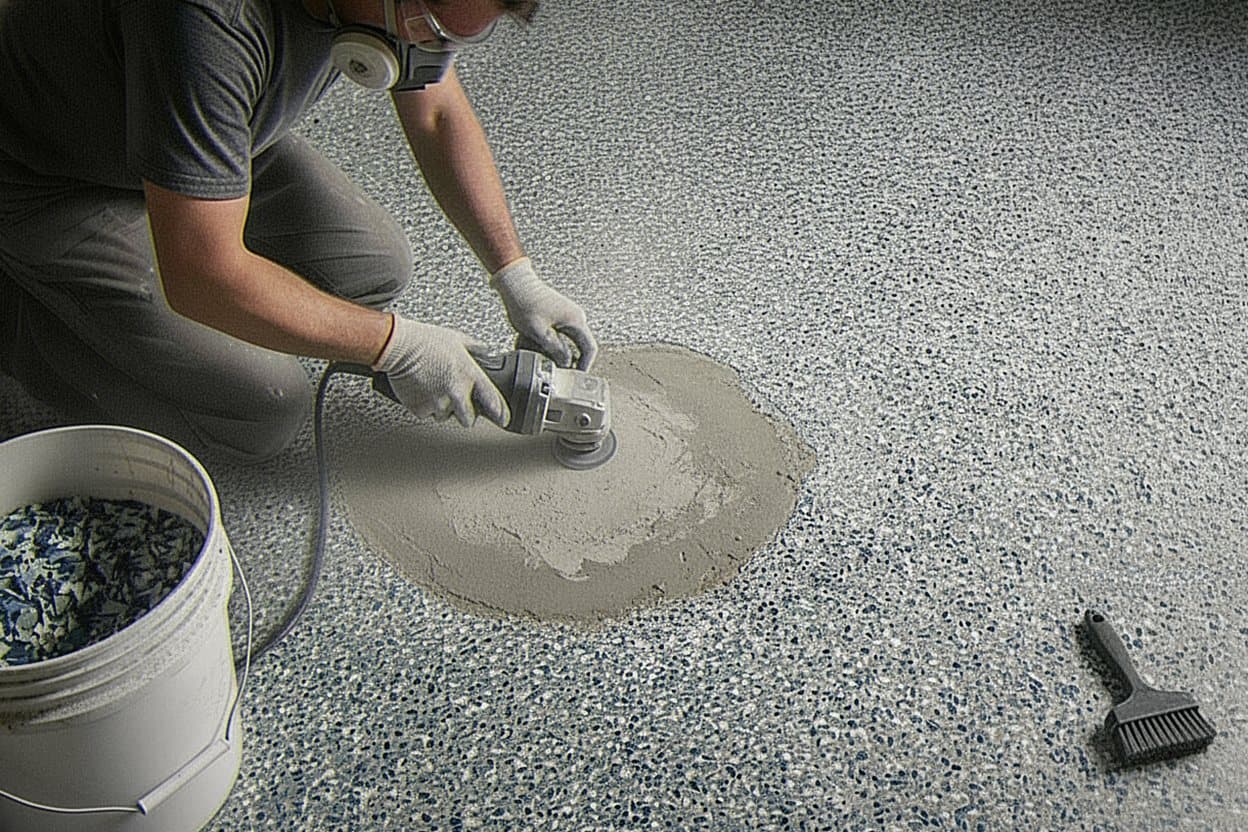
Grinding damaged epoxy before recoat.
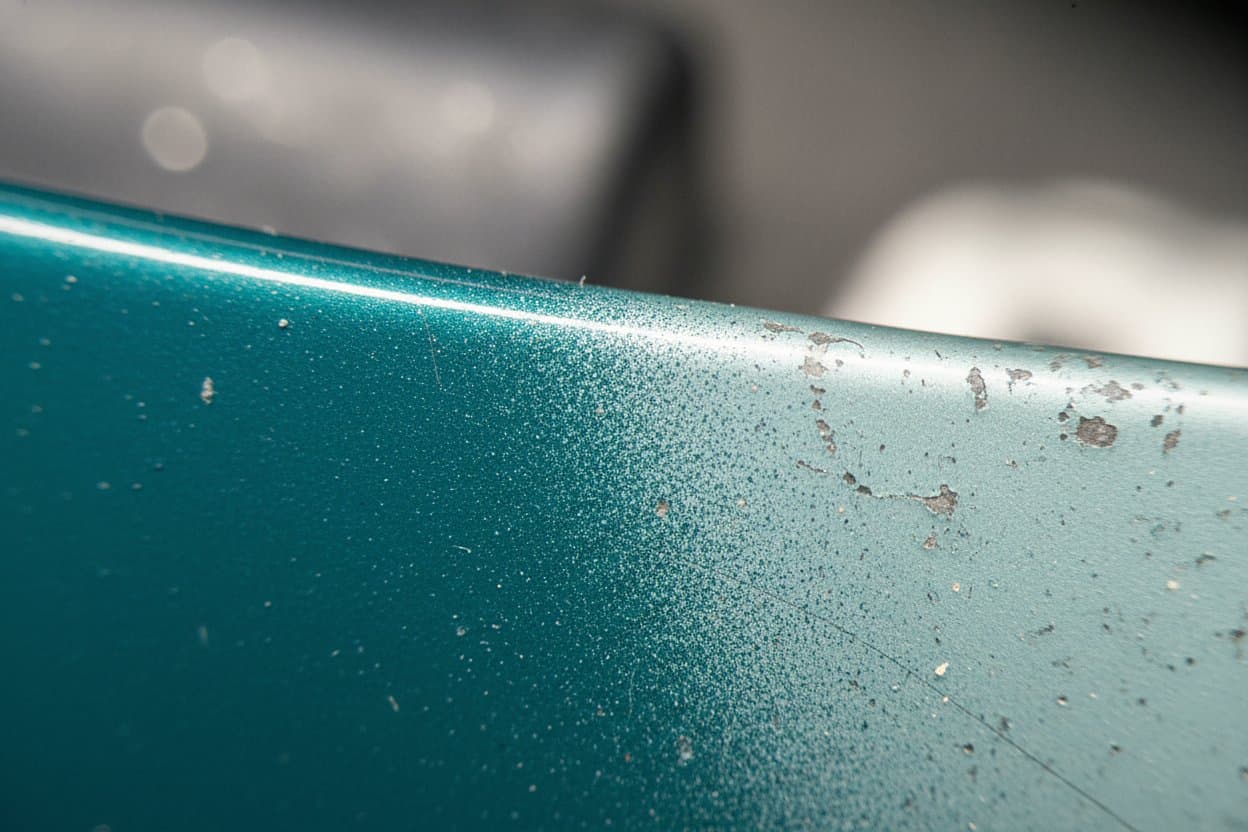
Blend zone where new meets old.
What we install

Why a coating fails, and what the slab is telling you

A coating does not peel for no reason. Most failed floors in Farmington Hills lifted because the old crew skipped the grind or never tested the slab for moisture. So the epoxy sat on top and let go the first hard winter. We fix epoxy floors that have peeled, bubbled, or worn thin, and we start by finding out why. If your garage floor epoxy gave out, the cause is almost always the prep under it, not the slab itself.

The repair runs the same way a fresh install does. We grind the whole floor back to clean, open concrete with a planetary diamond machine, and where the old coating pulled aggregate up with it, we patch those spots with mortar and grind them flat before anything else. Then we rebuild in coats: a primer, a pigmented base, a heavy throw of flake, and a clear seal on top, and each coat needs the one below it to cure before the next can go down. We do not rush that order, because it is what makes the floor hold.

  • We test grind during the visit, so the quote follows real readings.
  • We read why the old floor failed first, then fix that root cause.
  • Mortar patching for slab zones where the failed coating took concrete up with it.
  • Reinstall uses the same coats and the same process as a fresh install.
  • Most repairs wrap in a day, and you walk on the floor that evening.
A failed floor is rarely the concrete. It is the prep and the spec under it.

We work across Farmington Hills and the rest of Oakland County, and we answer the phone when you call. We have seen how the salt and the clay soil here chew up a cheap coating. That is why we test the slab and grind it open every time, even on a repair. You deal with one crew from the first look to the final pass. We tell you straight what your floor needs and what it does not.

Send us a few photos of the floor and we will tell you what we see. We will walk the space, grind a test spot, and map out the fix. Call when you are ready to get it done right.
Materials

What the test grind shows on the spot

The test grind is the whole point of the visit. We open a small patch of the floor down to bare concrete and watch how the old coating breaks free, because the way it lets go tells us exactly what went wrong the first time. A coating that peels off in wide sheets was never keyed into the slab. One that fights the grinder and leaves flecks behind had good prep but a worn top layer. The slab tells us which problem we are fixing before we ever write the quote, and that read shapes the whole plan, so we are not guessing at the cause.

What we find sets the scope. If the bond failed across the whole floor, we grind it all back and start fresh. If only one bay lifted, we can grind that zone and blend it in. We also check for moisture, since a damp slab will push any new coating right back off. Reading the floor first is how we keep the repair from failing the same way twice.

  • A test grind happens during the visit, before any quote.
  • Wide peeling sheets mean the old coating never gripped the slab.
  • We test the slab for moisture before any new coat goes down.
  • Slab patching enters the scope only where aggregate came up with the old coating.
Repaired edge seamlessly integrated.
Garage after complete epoxy repair.
What about the alternatives?

Repair approaches measured by what they actually fix

Not every fix is a real fix. Some just hide the problem for a season, then peel again. Here is how the common options hold up on a Farmington Hills floor.

Paint over the failed coating

Paint grips even worse than the coating it covers, so it lifts within months.

Skip

Thin refresh sealer over the existing floor

A thin sealer cannot fix a bond that already failed underneath it.

Skip

Local patching of one zone only

Works when one bay lifted and the rest of the floor is sound.

Acceptable

Full grind and reinstall

We grind the whole floor open and rebuild it the way it should have been done.

Recommended

Tear out and replace the slab

Only worth it when the concrete itself is cracked through or heaving.

Acceptable
How it goes

From quote to walk-on, fast.

01

Free walk-through

02

Prep the slab

03

Coat and broadcast

04

Polyaspartic topcoat

Before you book

Questions worth pushing on before signing a repair quote

A repair quote is only as honest as the look that came before it.

Does the quote include the test grind?
Ours does. We grind a test patch during the visit and read the slab before we price the work. A quote written without that step is a guess, and a guess on a failed floor usually misses the real cause.
Why did my first epoxy floor peel?
Almost always the prep. If nobody ground the concrete open or checked it for moisture, the coating had nothing to grip. We find the cause first so the new floor does not repeat it.
On a partial repair, will the recoat blend exactly to the existing floor?
A fresh flake floor and an aged one rarely match to the eye. We get close by feathering the grind and matching the flake blend, but a full recoat is the only way to make the whole floor read as one.
How does the installer think about workmanship on the recoat?
We treat a recoat like a new install, not a touch up. The grind, the patching, the coats, and the cure all get the same care. Cutting corners on a repair is what put the old floor where it is.
What if the cause of the original failure cannot actually be fixed?
Sometimes the slab has a moisture problem we cannot fully stop, or the concrete is failing on its own. We tell you that straight. We would rather lose the job than sell you a floor we know will lift again.
Aftercare

Keeping the recoat from failing the same way the first one did

A rebuilt floor lasts when you treat it right. The good news is that a hard clear seal takes most of what a garage throws at it. Salt, oil, and hot tires wipe up without a fight. A little care keeps it reading new for a long time.

  • Rinse road salt off in winter so it does not sit on the floor.
  • Wipe oil and brake fluid when you see it, though the seal can take it.
  • Use a soft mop and plain water for routine cleaning.
  • Put down felt pads under jack stands and heavy shelving.
  • Call us early if you spot a chip, before water works under the coat.
Garage floor restored with flake epoxy.
FAQ

Frequent questions about repair and recoat

Do you do the work yourselves, or hand it to a sub?
We do it ourselves. No middleman, no sub. The same crew that walks your slab, reads the concrete, and maps the prep plan is the crew that grinds it, lays each coat, and cleans up before the day ends. When you call, you reach the people holding the grinder, not a dispatcher. One clear date. One crew from the first look to the last inspection.
What separates epoxy from polyaspartic, in practice?
Two different materials, two different jobs. Epoxy is the thick, pigmented base that bonds to the bare concrete after grinding and carries the whole coating system. Without that primer laid on an open slab, nothing above it sticks for long. Polyaspartic goes on top. It is the hard, clear finish that shrugs off road salt, hot tires, and the daily abuse a working garage floor takes every winter. We run both on most floors.
How are coating jobs typically priced in this market?
It depends on the slab. We walk the space first, then price it, because the square footage, the condition of the concrete, and which coating system you choose all change what the job costs. A flat, clean garage with no cracks is straightforward. A basement that needs moisture testing, crack repair, and a specialty primer before any color goes down is a different scope entirely. We hand you a written quote before any work starts. No guessing.
Are winter installs realistic in southeast Michigan?
Yes. All of the work happens inside your garage, not outside, so the outdoor temperature does not matter as long as we can hold the cure temperature steady in the enclosed space. We bring heaters. A January install cures just as hard as a summer job when the ambient air stays in the right range. Bare cold concrete with no heat source is the only thing that stops a floor from setting right.
Will the floor pick up or stain under hot tires?
Not with the right top coat. Hot tires pull at a clear layer that has not fully cured and lift it right off the base, and that is how most cheap epoxy jobs fail by year two. We seal every floor under polyaspartic, which cures hard and stays hard in the heat coming off a tire fresh from the road. It wipes clean. Oil, salt, and brake fluid sit on the surface instead of soaking in.
Ready when you are

Ready for a real Farmington Hills floor?

Send a few photos or book a free 15-minute on-site walk-through. A fixed written quote within one business day.

Get a free quoteCall (947) 224-7175
CallFree Quote